The business model
It is a fully integrated business model, ranging from the production of inputs to the distribution of food products and comprising: the production or import of agricultural or livestock inputs, mechanized rainfed cultivation and / or irrigated cereals and oilseeds, Mechanized cultivation of roots and tubers, sustainable fish farming, cattle fattening, poultry farming, industrial transformations, construction of infrastructure and marketing.
Its farming system combines the implementation of contract farming with small farmers as well as the development of large plantations by the company that owns the Project.
Description
The Project envisages to:
- Develop with small producers, contract farming on at least 200,000 hectares, spread over three regions of the country.
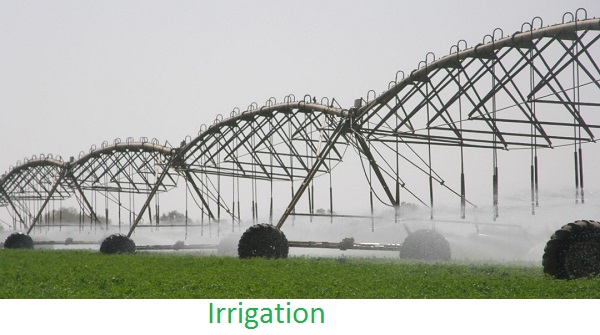
- Develop for its own account 120,000 hectares of irrigated plantations using central pivot machines, for the rotation of wheat, rice, soybeans, sorghum and corn.
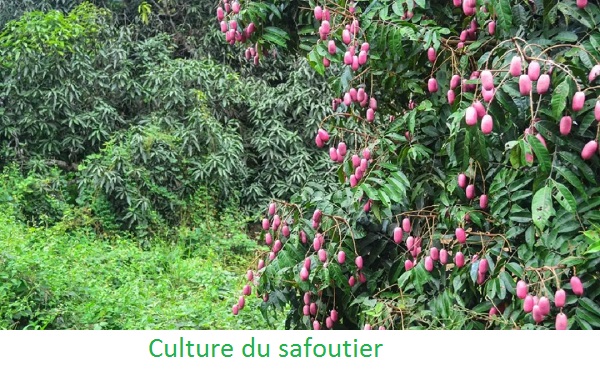
- Develop in the spaces between the circular irrigated plots, 24,000 hectares of fruit tree based agroforestry plantations,
- Develop over 53,000 hectares, several eucalyptus-based agroforestry plantations with mechanically cultivated interplants: beans, cassava, potatoes, maize and fodder plants.
- Develop fish farming in cages in the Sanaga River and 4000 hectares of ponds.
- Construct feedlots with a total annual capacity of 300,000 units.
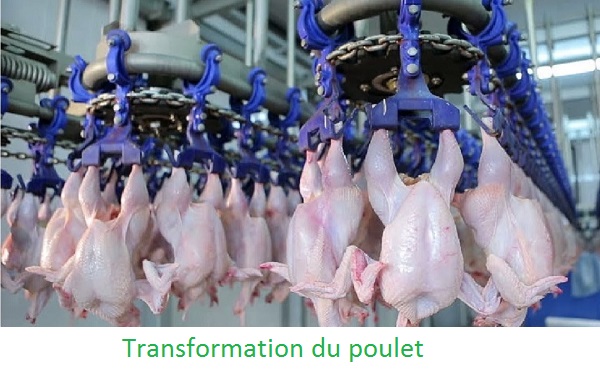
- Construct 12 broiler farms and a parent farm.
- Construct industrial plants for the processing of grains, oilseeds, tubers, fruits, fish and meat.
- Construct energy, hydraulic, transport, administrative and residential infrastructure.
Specific objectives
The Project aims to produce at term at least:
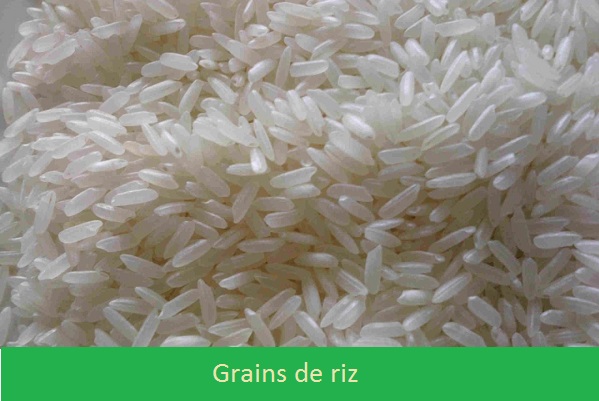
- 1,800,000 tons of paddy rice,
- 350,000 tons of wheat,
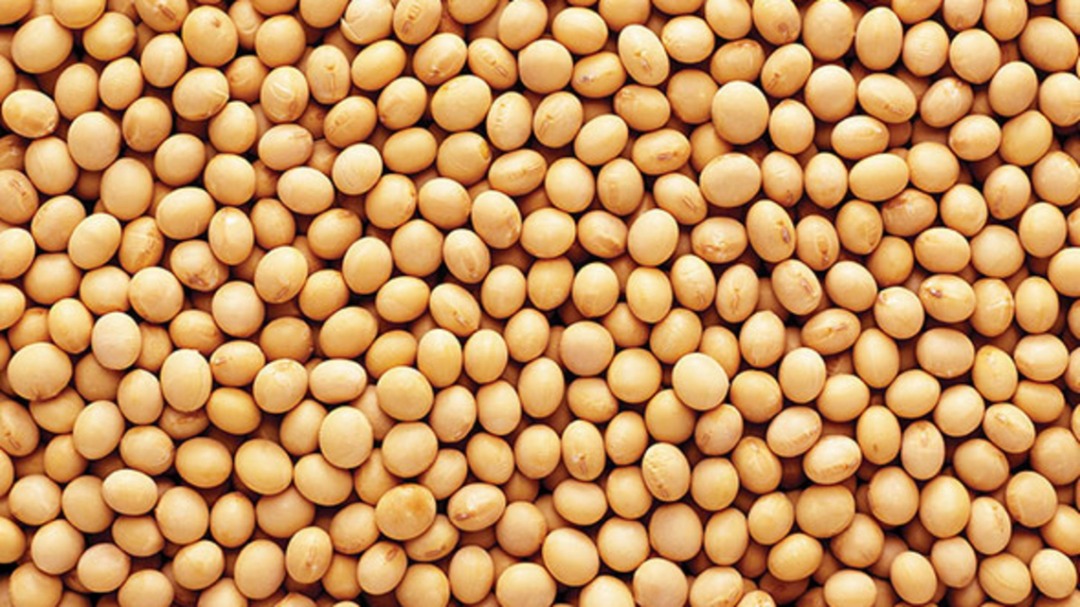
- 750,000 tons of soybeans
- 450,000 tons of corn and sorghum grains,
- 300,000 fattened cattle,
- 240,000 tons of fish,
- 15,000,000 broilers,
- 400,000 tons of fruit,
- 1,500,000 tons of cassava roots.
The Products
The following products will be sold:
- Wheat flour
- bread-making cassava flour,
- white rice and parboiled rice,
- soybean meal,
- refined soybean oil,
- soy lecithin,
- glycerin,
- products derived from peanuts
- dry beans and their derivatives
- feed
- ethyl alcohol
- whole fresh and frozen fish,
- frozen fish fillets,
- cuts of fresh and frozen beef,
- frozen cuts of chicken,
- whole fresh and frozen chickens,
- sausages, luncheon meat and pâté,
- fruit juices and nectars.
Location
The project will be located in a rural area with a very low population density (less than 5 inhabitants per km2), in Cameroon, a country in Central Africa, in the heart of the Golf of Guinea, in the Central and Eastern Regions. and South Cameroon.
The vegetation of this zone is characterized by peri-forest savannah and forest
Project Total cost and jobs
The entire project should be carried out over 15 years for a total cost estimated at 3070 billion FCFA (USD 5.58 billion, considering 1 USD = 550 FCFA) and it will generate more than 400,000 direct and indirect jobs and induce sustainable jobs.
Socioeconomic impact of the overall project
- Decisive contribution to the fight against food insecurity through the availability of basic foodstuffs for the populations.
- Fight against rural poverty and intensification of small-scale agriculture through the implementation of agricultural production under contract with nearly 1,500,000 partner farmers.
- Fight against undernourishment through the availability of cheaper protein sources.
Creation of more than 400,000 sustainable jobs.
- Promotion of the development of medium-sized agricultural plantations through mechanization services.
- Fight against deforestation through the introduction of the use of biogas for cooking in rural households bordering the Project (Central, Eastern and Southern regions):
- Equilibrating of Cameroon's trade balance through the export of more than 2,500,000 tons of food products including rice, soybean cakes & oil, sorghum, maize, frozen tilapia fillets, meat frozen beef, cassava chips, fruit juices and nectars, etc.
- Development or construction of infrastructure such as rural roads, an agro-industrial terminal at the Kribi Deep Water Port.
- Emergence of Africa's Largest Agribusiness Company
- Reaching of the New Industrialized Country stadium by Cameroon