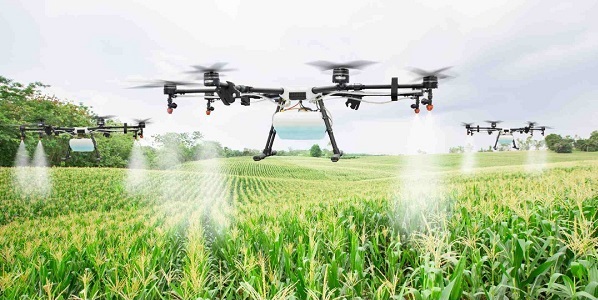
The Project consists of transferring and adapting in the Cameroonian and African context…. several proven and sustainable agricultural innovations such as:
These are cropping systems created and tested in Brazil for more than 30 years by CIRAD and its partners.
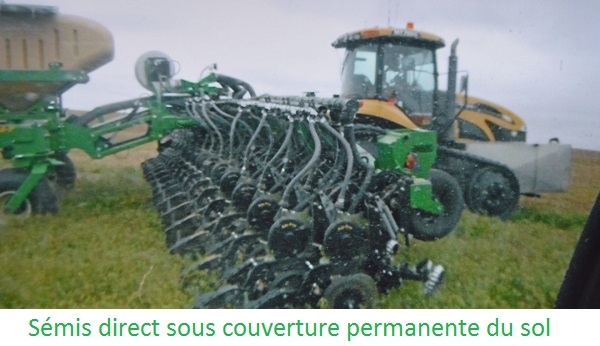
Direct seeding on permanent plant cover (SCV) is a conservatory system of soil and crop management in which the seed is placed directly into the soil that has never been worked. Only a small hole or furrow is opened, of sufficient widths and depths, with specially designed tools, to ensure good coverage and good soil contact with the seed. The elimination of weeds before and after sowing is done with herbicides which pollute the least possible for the soil, which must always remain covered.
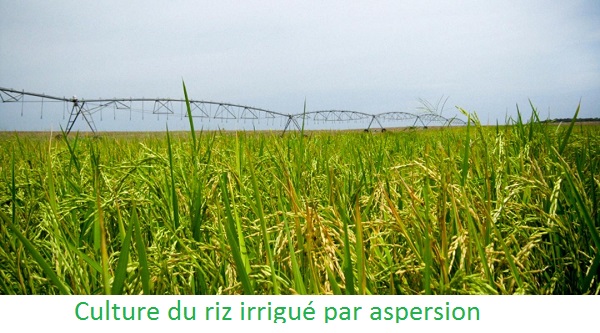
Technique carried out using a pivot irrigation machine and saving 40% water.
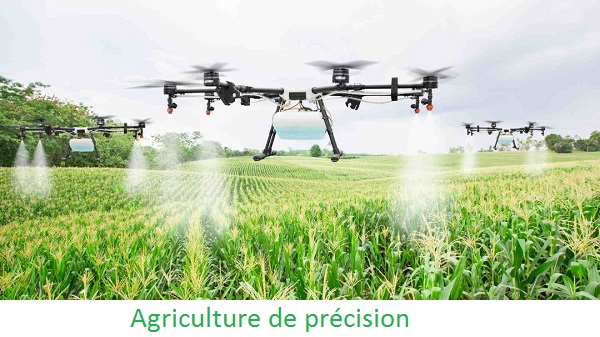
It means providing the right dose of inputs at the right time and in the right place. It includes the use of tractors equipped with computers, GPS, satellite images, drones, etc.
Technique born in Queensland in Australia and allowing to fight against soil compaction.

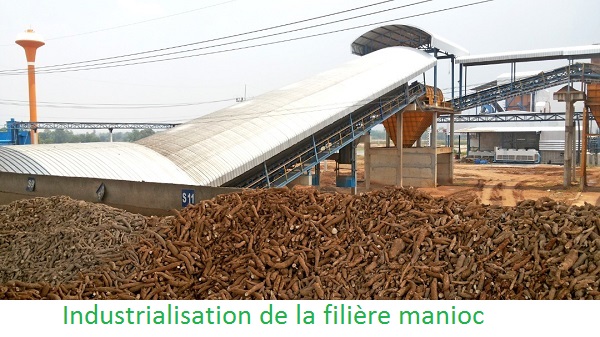
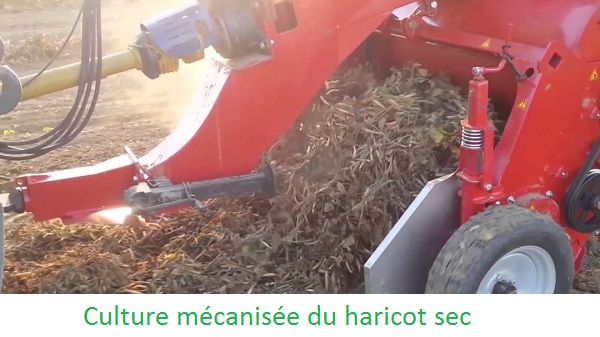
Mechanized cultivation of cassava, sweet potatoes, peanuts and dry beans with the aim of improving productivity and reducing the drudgery of field work.
The design of the Project and its planned implementation took into account the objectives of Climate Smart Agriculture (CSA). According to FAO, CSA is an approach that helps people managing agricultural systems cope with climate change effectively.
The Project intends to produce from safou oil (dacryodes edulis), biodiesel for internal use. It is the fruit of a domesticated forest tree producing 7 to 8 tonnes of oil per hectare.
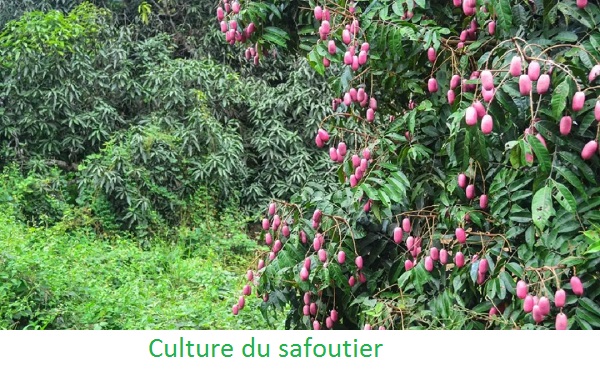
For example, this will involve producing:


Public limited company under Cameroonian law with a capital of CFAF 10 million, which is currently being increased, headquartered in Yaoundé and with offices in Nanga Eboko and Douala.
Created on October 31, 2009, its capital is open to investors such as the State of Cameroon, national public or private companies, Development Finance Organizations, private investment funds, individuals.
Copyright ©2023 COMAGRI All Rights Reserved
